What to feed a dachshund?
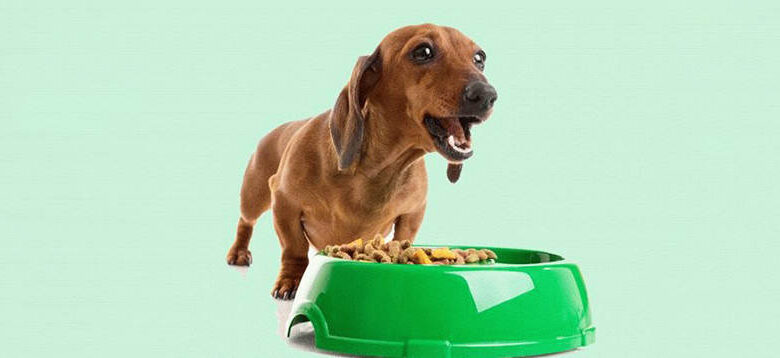
Purebred animals require close attention, especially during the first months of their lives, and dachshunds are no exception to this rule. Dogs of this breed need a high-quality diet, which is what we will discuss next.
What to feed a dachshund
In the first month of life, the puppy should be fed with its mother’s milk. If that is unavailable, milk can be substituted with formulas available at any veterinary pharmacy.
From one month to six months of age, it’s best to introduce small pieces of meat, vegetables, dairy products, and various ready-made dog foods, also available at veterinary pharmacies. The key is to ensure that the diet is varied and does not contain large chunks of food.
After reaching one year of age, a dachshund can eat almost anything—fish, meat, grains, and even regular human food (though sparingly, and it’s better to give it rarely). It’s important to ensure the diet remains diverse, with vegetables, berries, and other fiber-rich foods added to the meat.
How often to feed
A dachshund under six months old should be fed five times a day in very small portions. After six months, you can switch to feeding three times a day. Once the dog reaches one year of age, you can transition to feeding it two to three times a day, depending on the owner’s schedule and the type of food being offered.
Additional Recommendations for Feeding a Dachshund
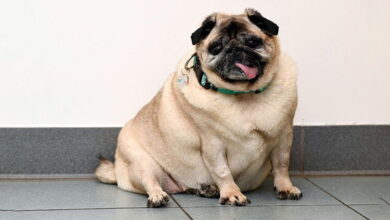
- Portion Control: Dachshunds have a tendency to gain weight easily due to their small size and low metabolic rate. It’s crucial to avoid overfeeding, especially with calorie-dense foods like meats and grains. Make sure to measure portions carefully, taking into account the dog’s age, activity level, and any specific health requirements. Obesity can lead to joint problems and strain on their long, low backs, which are already prone to issues.
- Choose the Right Proteins: While dachshunds thrive on protein, not all sources are equal. Lean meats like chicken, turkey, and lean beef are ideal. Avoid fatty cuts, which can contribute to weight gain. Fish is also an excellent protein source that offers beneficial omega-3 fatty acids, which help maintain a healthy coat and support joint health.
- Introduce Healthy Fats: While fats are essential for energy and a shiny coat, they should come from healthy sources like fish oil or flaxseed oil. Be cautious with foods high in animal fat, as they can increase the risk of obesity.
- Limit Treats and Human Food: Treats should make up no more than 10% of the dog’s daily caloric intake. Human foods like cheese, bread, and processed snacks should be avoided or given in very small quantities as an occasional treat. Foods like chocolate, onions, garlic, and grapes are toxic to dogs and should never be given.
- Stay Hydrated: Ensure that your dachshund always has access to fresh, clean water. Dehydration can lead to digestive and kidney problems, so it’s essential that your dog stays well-hydrated, particularly if they are eating dry kibble.
- Consider Age-Specific Diets: As dachshunds age, their dietary needs change. Puppies need a diet high in protein and fat to support growth, while adult dogs may require a diet that maintains lean body mass. Senior dachshunds, especially those less active or with joint problems, benefit from a diet lower in calories but rich in joint-supporting supplements like glucosamine and chondroitin.
Special Dietary Considerations
Dachshunds are also prone to dental problems, so incorporating dry kibble or dental chews can help maintain oral health by reducing plaque buildup. Additionally, a diet high in natural fiber can help prevent digestive issues and keep their digestive tract functioning properly.
By following these guidelines, you can ensure your dachshund enjoys a healthy, balanced diet that supports their unique needs and keeps them happy and active for years to come.