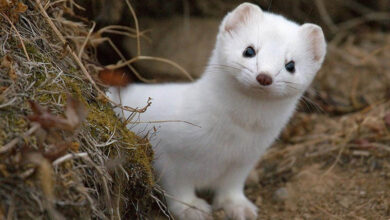
Ferrets at home.

It’s becoming more common to see people adopting not traditional cats and dogs, but more exotic and unusual animals such as spiders, snakes, predatory fish… and ferrets. Having these funny animals in someone’s home is hardly surprising anymore, and it’s increasingly common to see ferrets being walked alongside dogs, delighting children and sometimes astonishing adults. But is it possible to keep a ferret at home, and if so, how? While the care of cats and dogs is more or less straightforward, keeping a ferret remains a mystery for those who decide to acquire this fascinating pet.
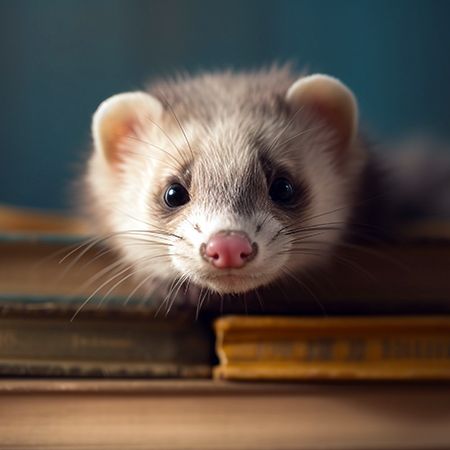 Proper Ferret Care
Cleanliness is essential for any pet, and ferrets are no exception. To keep your ferret healthy, it’s important to regularly clean its cage and everything inside it: water bottles, feeders, bedding, and of course, keep your own home clean. Ferrets also need to be bathed, though not too frequently—once a month is enough, as frequent baths can increase the ferret’s natural odor. When bathing your ferret, use a “tear-free” shampoo, and you can either towel-dry your ferret or let it dry naturally. In between baths, their fur can be treated with special sprays. You should trim your ferret’s nails when needed, typically once a month. During shedding season, help your ferret by brushing it with a special brush or by hand. Providing vitamins or shedding supplements that are also used for cats will benefit ferrets as well. Diet is a crucial aspect of ferret care. They don’t eat typical rodent food, and feeding them human food from the fridge can end badly. It’s best to provide specialized ferret food from pet stores, raw meat, bones, and cartilage. Eggs and fish can be given occasionally, but the most suitable food for ferrets is small rodents and chicks, as this closely resembles their natural diet. If you have a female ferret, it’s best to spay her in due time. Make sure doors and windows are always closed to prevent your ferret from escaping.
How to Monitor and Entertain a Ferret
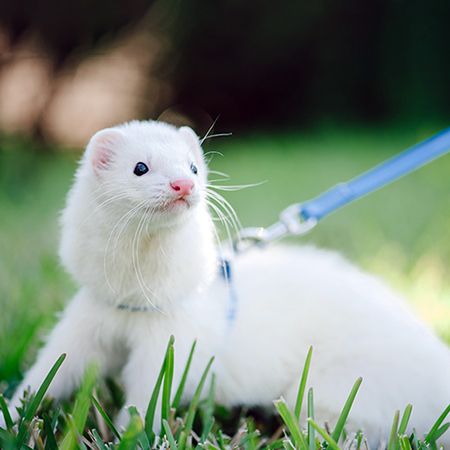
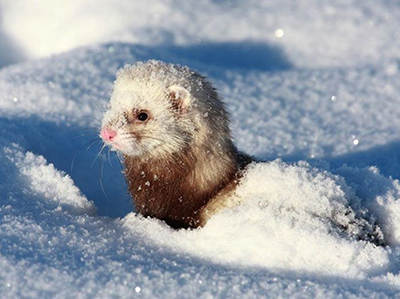
Ferrets are very active and curious animals, so be careful where you step to avoid accidentally hurting your pet. They are also notorious kleptomaniacs, so if small objects go missing, it’s likely the ferret took them. Your ferret probably has a stash somewhere in the house or apartment where you can find the missing items, along with leftover food and various bits of trash. Not all ferrets are naturally affectionate or easy-going. It’s important to handle them carefully at first and introduce them to you and their new environment slowly, gradually reducing any natural aggression. For this reason, ferrets should not be given to small children as playthings. Children might end up bitten by a frightened ferret or accidentally harm the animal, which is clearly a bad outcome for both. You can entertain ferrets with a variety of toys. Balls, rubber toys, tunnels for them to explore, and cozy box-houses all make for excellent entertainment. It’s also important to spend time with them, playing and caring for them, so they bond with you. In the summer or winter (ferrets love snow), you can take them for walks, but always watch their leash and make sure they don’t pick up anything from the ground. In wet and muddy autumn or spring weather, it’s best to leave the ferret at home.
 Is a Ferret Suitable as a Child’s Pet?
A firm “no” if the child is under 5 years old. A young child is too small to handle a ferret properly, might drop the ferret or grab it roughly, causing the animal pain. In turn, the ferret might bite or scratch the child. For older children, it’s important to start by reading up on ferrets, their behaviors, and habits, as well as evaluating the costs of both the animal and necessary supplies. Parents must first learn how to handle the ferret before introducing it to their child. For children aged 5-10, the first meeting with the ferret should happen through the cage, allowing the child to observe the animal’s behavior without trying to touch it. Teach the child the basic rules of interacting with the ferret. If the child is not afraid, you can take the ferret out of the cage and let the child gently pet it. Show the child how to hold, pet, and play with the ferret. However, a parent should always supervise the interactions between the child and the ferret. For children over 10 years old, they are generally more familiar with how to handle animals, and you can trust them not only to play with the ferret but also to care for it. Feeding, cleaning the cage, bathing, and walking the ferret will all help the child develop a sense of responsibility. Additionally, walking with a ferret will always attract attention, helping the child socialize and apply their knowledge about ferrets.
If You Already Have a Ferret and Are Expecting a Child
In this situation, the best solution is to create separate spaces. Ferrets can’t stay in a cage all the time; they need to run, play, and interact with their owner. While the baby is small, it’s easy to find time to spend with the ferret while the child is sleeping in a ferret-free zone. However, as the child begins to crawl and explore the world, it’s essential to ensure there is no interaction between the ferret and the child. Ideally, allocate a separate room for the ferret or get a special enclosure to keep both the child and the ferret safe.
Cons of Having a Ferret in a Home with Children
If a ferret is bought for a child, over time the child may lose interest, and the care will fall to the parents. Ferrets, like children, need attention, and at least 2 hours a day should be dedicated to the ferret. Young ferrets are semi-wild animals, not socialized, and they may bite both adults and children. Only allow a fully trained, well-mannered ferret near a child, and always supervise their interactions. There is also the risk of developing allergic reactions. While ferrets are less allergenic than dogs or cats, some people can still be allergic to them. The symptoms may not appear immediately but build up over time. Don’t forget that ferrets are predators. If the child already has pets like a hamster, bird, or rabbit, they might become prey for the ferret.
 Conclusion
The relationship between a child and a ferret can develop beautifully if parents properly assess their physical and financial ability to care for a ferret. A ferret can become a great companion for a child, helping develop responsibility, hard work, and a love for animals.
Of course, keeping a ferret at home isn’t easy. To avoid any unexpected problems, it’s important to learn all the nuances of ferret care, choose the right food, and ensure there’s enough space for your furry friend. Most importantly, give the ferret your care and attention, and in return, it will be affectionate and good-natured.