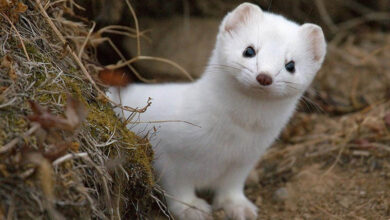
Sable in the Apartment: Best Friend or a Challenge?

 Exotic Pets in Modern Life
Exotic pets have become an integral part of human life, with more people choosing not just fish, but even monkeys or exotic snakes. Nowadays, sables, minks, and ferrets are also becoming common pets. Their unique appearance and habits bring a special atmosphere to a home, becoming an interesting talking point for guests and a distinctive addition to your interior. But is it the right choice, and is it safe?
A sable is a wild animal with instincts that can cause significant damage if improperly trained. It requires careful acclimation to a home environment and close monitoring. For households with small children, a sable might not be the best choice, as it can display aggressive and unpredictable behavior.
Sable in Domestic Settings
A sable demands a tremendous amount of attention, including about 2 hours of exercise each day. If you can’t provide this, owning a sable may not be ideal. The animal needs an outlet for its energy and is best walked several times a day for an hour each time. You can walk a sable on a leash or without one, depending on how well-trained it is.
Sables can also damage furniture. It’s not uncommon for them to scatter food around the house, hide it in curtains or window ledges, or scratch wallpaper and remain unaffected by disciplinary attempts. Sables are known for their distinct scent, which, despite owners’ best efforts, may still be noticeable in an apartment. Additionally, they are active, curious creatures, which can lead to damage to furniture and other belongings.
 The Domestic Sable’s Space Requirements
A sable needs a lot of personal space – ideally a room, as confinement can lead to depression and weakness. Sables are inherently fond of freedom, so they won’t make for a cooperative pet without adequate space.
Aggression and Wild Nature
Even in a domestic setting, sables retain their wild instincts, which can make their behavior unpredictable, especially if they feel threatened. This makes them unsuitable for families with children or other pets.
What Do Sables Eat? Feeding Requirements
Sables require high-quality food, which can be a costly factor. They need expensive upkeep, so consider carefully before bringing one into your home.
Being carnivorous mammals, their diet at home should reflect their natural needs:
- Meat: Their primary diet should be meat, as sables are carnivores needing high-quality protein from sources like chicken, beef, or veal. Meat should be fresh and without spices or additives.
- Organs: Sables can also eat organs such as liver, kidneys, and heart, which offer additional vitamins and minerals.
- Bones: Sables need bones as a source of calcium and for dental health, but only raw bones should be given to avoid splinters.
- Fish: Fish can be included for omega-3 fatty acids, which benefit their skin and coat. Fish should be cooked or frozen to avoid parasites.
- Vitamins and Supplements: While sables get most nutrients from their natural diet, supplements may be necessary, especially if their diet lacks balance.
- Water: Sables need access to clean drinking water at all times.
Key points to consider:
- Raw vs. Cooked: Some owners prefer raw foods to mimic a sable’s natural diet, while others prefer cooked.
- Variety: A varied diet ensures that a sable receives all essential nutrients.
- Portion Size: Amounts depend on the sable’s size, age, and activity level, so adjust portions accordingly.
Before making any dietary changes, consult a veterinarian to ensure the sable’s diet meets all its needs.
 An Efficient Hunter
Sables, with their hunting nature, are agile and adept at catching small rodents. In an apartment, a sable could serve as an “assistant,” taking care of pests like mice or rats.
With proper training and an ability to adapt, a sable can become a good companion. It all depends on the owner; animals respond reciprocally to their treatment, and they often behave in tune with their owners (apart from instinctual actions). Sables would be ideal for a child-free couple, allowing them to bond and spend quality time together.
Sables can be trained to use a litter box, but this requires considerable effort as they are not like domestic cats. A determined owner can manage, but it’s a challenge. Relations with other pets may be strained, though, in some cases, cats and sables can eventually get along.