6 Reasons Why Cats Meow in the Mornings
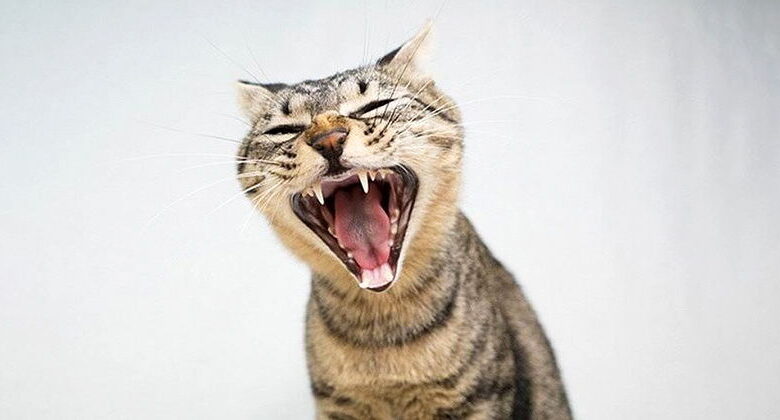
Hunger
Cats are creatures of habit, so their internal clock often aligns with their feeding schedule. As natural hunters, they have an instinctive drive to seek food. They may wake up with an empty stomach, prompting them to vocalize their desires by meowing. If your cat has a strict feeding routine, its morning meowing could be a way to remind you it’s time to feed. This behavior is more likely if they didn’t receive their usual portion the night before.
To address this, ensure your cat’s feeding schedule is consistent. Give them a small snack before bed to help them last until morning.
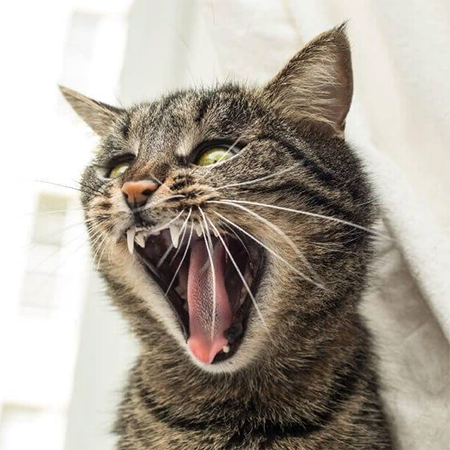 Seeking Attention
Although cats may seem independent, they still need interaction with humans. When left alone for long periods, they may experience loneliness or boredom, which can lead to morning meowing to attract attention. Cats express their desire for companionship or play through meowing in the morning. They may approach their owners, rub against their legs, or even jump onto the bed. In such cases, the meowing is a sign that the cat is ready for activity.
To prevent this, set aside time for play and interaction, especially in the morning. Engaging them with toys can prevent boredom and loneliness. Cats also benefit from scratching posts and puzzle toys.
Routine and Habit
Cats are well-adapted to routine and patterns in their daily lives. If there’s any delay in their routine, they may express frustration by meowing. Cats are skilled at understanding cause and effect, associating specific actions or signals with particular outcomes. If a cat receives treats every morning, it will expect them whenever its owner wakes up. When the expected result doesn’t occur, the cat may voice its disappointment.
Consistency can help manage this behavior. Establish and maintain a daily routine that aligns with your cat’s expectations.
Changes in the Environment
Cats are known for their sensitivity to changes in their surroundings. Any changes, whether big or small, can threaten their sense of security. As creatures of habit, they thrive in a stable and predictable environment. If there have been recent changes in the home, a cat might express discomfort through meowing. Morning meowing could be a way for the cat to seek comfort amid these changes.
To reduce morning meowing, provide your cat with a consistent and secure space where they can retreat and feel safe. Ensure they have access to familiar items that carry their scent, such as their bed and toys. Offer treats and praise when introducing changes to help the cat associate them with positive experiences.
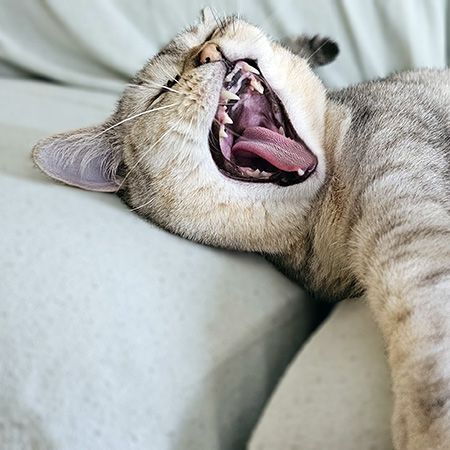 Health Issues
Frequent morning meowing can signal a health issue in cats. While occasional meowing is normal, persistent and unusual meowing shouldn’t be ignored. Changes in appetite or unexplained weight loss could indicate various health problems. Lethargy is another symptom worth noting. If a cat stops using the litter box, it could be due to urinary or gastrointestinal issues.
Seek veterinary care immediately if you notice these symptoms along with morning meowing. A vet will conduct a thorough examination to identify any underlying health issues. Early intervention can improve the prognosis and prevent further complications. Keep in mind that cats are adept at hiding signs of illness, and meowing might be their way of signaling a problem. Trust your instincts and consult a vet if you suspect something is wrong.
Aging or Cognitive Decline
As cats age, they may experience changes that affect their cognitive function. Senior cats may develop feline dementia or cognitive dysfunction syndrome, which can lead to confusion, disorientation, and increased meowing. Cats with cognitive impairments may struggle to recognize their owners or remember their daily routine. This confusion can be distressing, causing them to meow more frequently.
Morning meowing in elderly cats may be due to confusion upon waking. They may vocalize their needs or seek a sense of security. While reversing cognitive decline in older cats may not be possible, certain strategies can help manage the symptoms. A predictable routine is the simplest way to ease anxiety. Also, create a calm space with familiar scents and a comfortable bed. Consult your vet to assess your cat’s condition.
How to Prevent Your Cat from Meowing in the Morning
Meet Their Basic Needs To manage your cat’s morning meowing, it’s important to meet their basic needs. They should always have access to water, as dehydration can cause distress. Also, keep the litter box clean, as discomfort or dissatisfaction with it can lead to behavioral problems. A balanced diet that meets their nutritional needs is also vital for their health.
Offer your cat a filling meal before bedtime to keep them satisfied through the night, reducing the need to meow for food in the morning.
Stick to a Routine Establishing a consistent daily routine can significantly influence your cat’s behavior, including morning meowing. Set a regular feeding and playtime schedule. Try to feed them at the same time each day and allocate specific times for play. This routine will provide your cat with a sense of predictability and security, reducing anxiety and potential morning meowing.
Mental and Physical Stimulation Boredom is a common reason for frequent meowing in cats. To prevent boredom, keep your pet mentally and physically engaged. Use toys that mimic prey to stimulate their natural hunting instincts. Provide puzzle feeders that encourage problem-solving and keep their attention. A cat tree can satisfy their need for vertical exploration and territory marking. These enriching activities can stimulate your cat’s mind and reduce morning meowing.
Tire Them Out Before Bed Tiring your cat out before bedtime will improve their sleep schedule and reduce morning restlessness. Cats are natural predators, so make sure to engage them with toys that mimic prey. Once they fall asleep, they are likely to sleep for at least 10-16 hours if undisturbed. Schedule some evening playtime to help your cat expend their energy.
Ignore the Meowing In most cases, cats meow because they want attention from their owner while they’re sleeping. It’s important not to reinforce this behavior. If you respond immediately to their meowing, the cat will learn that it draws attention. Be patient and try to ignore the meowing for a while. Once the cat quiets down, attend to their needs. This will teach them that calm behavior is more likely to get them the attention or care they desire.
Rule Out Health Issues If your cat continues to meow in the morning despite all efforts, consult a vet, as it may indicate a health issue. A vet will conduct a check-up to rule out health problems behind the behavior. They may also run blood tests to gain a clearer understanding of your pet’s condition.