Vitamins for Dogs: Which Ones Are Needed?

Vitamins and minerals are essential parts of every four-legged friend’s diet. These nutrients impact the health, well-being, and overall functioning of the animal’s body. Typically, a good quality dog food provides all necessary nutrients, with a well-balanced formula rich in essential vitamins.
However, there are cases where additional supplements may be required for your dog.
 Causes of Vitamin Deficiency in Dogs
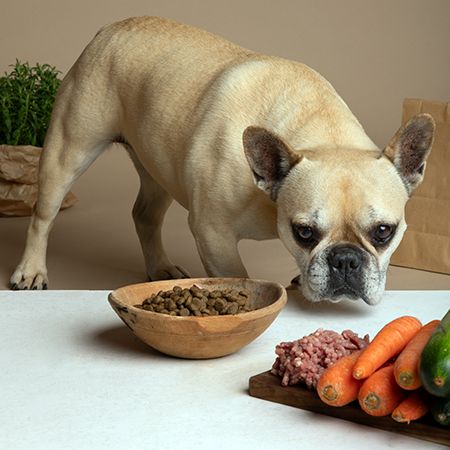
Unfortunately, the most common cause of vitamin deficiency in pets is often owner negligence. By feeding their pet low-quality food lacking in essential nutrients or providing insufficient amounts, owners should be aware that vitamin deficiencies will eventually show. A low-vitamin diet will inevitably affect your pet’s health and well-being. Good nutrition should “cover” all the pet’s needs. When selecting food, consider the dog’s age and weight, as well as individual preferences, influenced by health issues or lifestyle. Homemade food prepared independently may also fail to meet all your dog’s nutritional needs. The pet’s diet must be properly balanced to supply all necessary ingredients in the right proportions.
Symptoms of Vitamin Deficiency in Dogs
How can you tell if your pet is lacking vitamins? Symptoms can vary significantly, and some are easy to overlook. The first thing to watch for is a decline in your pet’s appearance. Their coat may lose shine or fall out, and their skin may worsen. Over time, vision and hearing problems can develop. A common symptom is digestive system issues, so if your dog frequently has diarrhea, consult a vet, as it could be due to folic acid deficiency.
What Vitamins Does a Dog Need?
What are vitamins, and why are they so important? Vitamins are various organic compounds responsible for bodily function and defense. They strengthen the immune system, regulate eye and skin health, and ensure proper development during puppyhood. Vitamins are divided into water- and fat-soluble groups. The first group includes vitamins B, C, and folic acid. What roles do they play?
 Vitamin C supports regenerative processes in the body and is especially needed during recovery from illness or limb injuries. Its deficiency often manifests as gum bleeding and skin problems. Meanwhile, B vitamins such as B1, B2, and B12 are responsible for proper metabolism. A lack of these can lead to general weakness and low energy. If your pet lacks these vitamins, you’ll soon notice a decline in their condition. Vitamin B12 is particularly important for older dogs with digestive issues or anemia.
Certain vitamins, such as folic acid, are essential for pregnant and nursing females. Introducing folic acid during pregnancy supports the proper development of the fetus and helps prevent many defects, like cleft palate in puppies. Fat-soluble vitamins include A, D, F, and K, which can be stored in the dog’s body for longer. What are their properties?
The immune system is primarily supported by vitamin A. A deficiency in this component can cause significant vision loss in puppies or night blindness. Vitamin A also impacts the hormonal balance in the body, and a proper level can prevent many diseases, including heart issues.
One of the most crucial vitamins for a dog’s body is vitamin D, responsible for healthy bone and tooth development. This element also affects the dog’s muscles and joints. Vitamin D is important for older dogs and large breeds, which often suffer from joint dysplasia. Deficiency can lead to rickets, bone and joint degeneration, while an excess may cause decreased immunity or calcification of the kidneys and liver.
 Vitamin E also positively influences the dog’s immune system. It slows cellular aging, so it’s particularly recommended for older dogs. Its deficiency can affect the reproductive system, including pregnancy maintenance issues.
Vitamin K has antibacterial and antifungal properties. It plays a role in blood clotting, so its absence can significantly extend wound healing times. Before giving your pet additional supplements, you should consult with a vet. The symptoms you observe may have other causes, so it’s best to confirm that your dog truly needs vitamins and that taking them will improve their health.