The Very Same Red Mullet
What Kind of Fish is the Red Mullet?
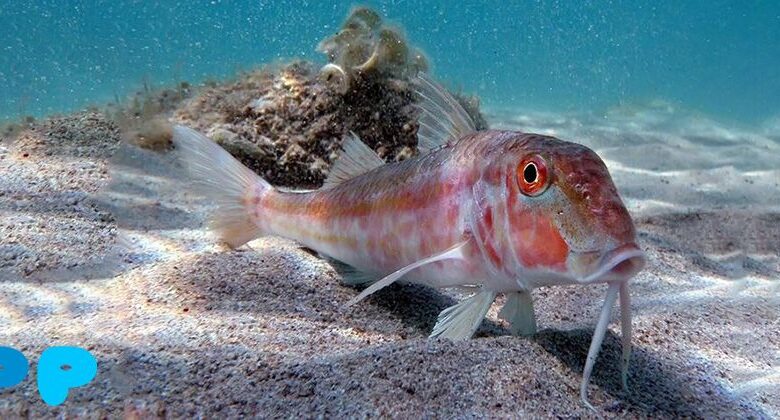
The red mullet is celebrated in countries and regions along the coasts of the Mediterranean and Black Seas—areas that were once Roman provinces—from Crimea to Alexandria, Tel Aviv to Gibraltar. The fish’s name traces back to Roman times. In Latin, it was called barbatus, meaning “bearded,” due to the two prominent whisker-like appendages that help it explore the seabed for food. In Italian, barbatus became barbone, and in the eastern Mediterranean—Greece, Turkey, and the Levant—it turned into barbunya. From Turkish, the word found its way into Russian. These same appendages also earned the red mullet another name, sultan fish, implying that such luxurious whiskers might belong only to an eastern ruler.
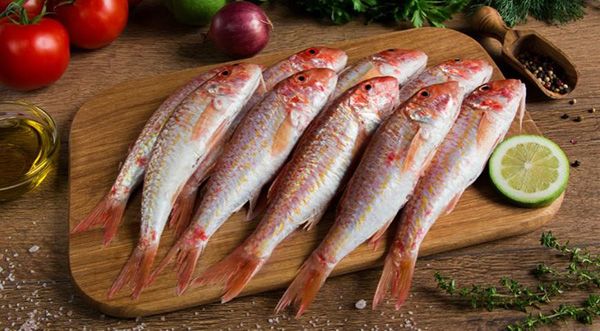
 The red mullet is a small fish, not ideally suited for elaborate cutting; such efforts are usually left to restaurant chefs. Common folk and tavern cooks in seaside areas keep things simple: heat a pan, add a splash of oil, and fry the sultan fish, or, with a coating of oil, put it on the grill. Salt, pepper, and a sprig or two of thyme or another aromatic herb are all it needs. This universal method is used everywhere the red mullet is caught, with olive oil in the Mediterranean and sunflower oil in the Black Sea. The whole flavor lies in the mullet’s flesh—sweet, tender but firm, lacking any heavy oiliness, unlike mackerel. The fish’s fat is light and delicate, with no “fishy” flavor.
What Does Red Mullet Taste Like?
Besides this basic recipe, every part of the Mediterranean and Black Sea region has its own slightly more intricate culinary approach to serving this small, whiskered, striped fish. One of the most famous dishes is bouillabaisse. The Marseilles fish soup almost always includes red mullet, giving the broth a sweet note. For main courses, the French fry it in their classic style—with butter, wine, onions (leek or shallots), and aromatic herbs.
Unlike many white fish, red mullet has a fairly strong flavor that, while not overpowering, pairs well with bold ingredients. For instance, in Italy, fried red mullet filet in olive oil is often served with pesto sauce. In Spain, red mullet, like other seafood, is skillfully prepared with spicy chorizo, and the fish holds its own against the intense pepper-meat aroma. It also pairs wonderfully with the famous Spanish-Portuguese method of simmering seafood in a rich tomato, onion, garlic, caper, and olive sauce. French techniques also suit the sultan fish well—like beurre blanc, a buttery-wine sauce, and a garnish of aromatic green vegetables (fennel, leeks, young peas).
In general, red mullet complements almost any “Mediterranean” product. After all, it’s no wonder a whole film was made about it—the culinary-ethnographic-family drama Couscous and Red Mullet, which won the Special Jury Prize at the 2007 Venice Film Festival. The phrase “based on true events” could certainly refer to the famous fish couscous from the Tunisian island of Djerba. Red mullet and other local fish are first marinated with cumin, salt, and sweet pepper, then lightly fried in an onion, garlic, and harissa (spicy red pepper paste) sauce, then stewed with vegetables, while couscous, drizzled with oil, steams over it.
 Special Preparation Techniques
On the Black Sea coast, red mullet has long been a classic. Like other small fish, it’s coated in flour (either wheat or corn) and fried in hot oil, often served with a traditional salad of juicy pink tomatoes, sweet red Yalta onions, and fragrant sunflower oil. The fried fish can be eaten whole without filleting.
Chefs have embraced the red mullet and prepare it in various ways. Some follow the Mediterranean tradition: they slowly cook leeks in butter with white wine and cream, place it on a plate, cover it with grilled fish, drizzle with a yogurt and lime zest sauce, and sprinkle with caper popcorn. Others mix Mediterranean and Asian influences, emphasizing sauces. For gourmets and experimenters, try smoked red mullet ice cream with Black Sea seaweed, cream, and Adyghe cheese—an unusual delight found in Sochi’s avant-garde restaurants.