Sugar Glider: How to Care for One at Home
Sugar Gliders: Care Tips and Essential Information for New Owners
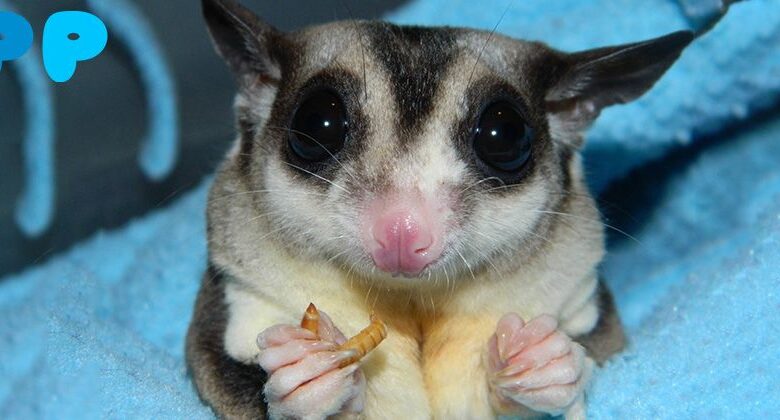
Sugar gliders are popular exotic pets—small, adorable, and unique little animals. However, like any exotic pet, a prospective sugar glider owner should be aware of the pet’s care requirements and unique personality traits before bringing one home. They need a special diet, a lot of attention, and ample space to thrive.
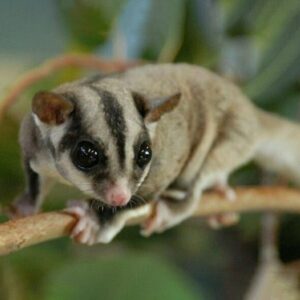 Sugar Glider Overview:
- Length: 12-15 cm, with an additional 15 cm from the tail
- Maximum weight: approximately 200 grams
- Lifespan: 10-15 years in captivity
Sugar Glider Behavior and Temperament
Sugar gliders can make sweet, playful, and engaging pets, but consistent interaction with people is crucial to keep them friendly. They are not aggressive with their own kind, so it’s best to keep them in pairs or as a family. These little creatures are surprisingly vocal, which can be a shock to new owners; they make sounds to express feelings like distress, fear, hunger, and other emotions. Sugar gliders are quick, love to climb, and will glide around if they have the space. They enjoy snuggling with their family in a nest to sleep during the day and are generally quite clean pets, although they can’t be litter-trained. Allowing your glider to ride in a pocket or pouch around your neck is a simple way to bond throughout the day. If your pet is not yet accustomed to human interaction, it may take some time and patience to develop a trusting relationship. Keep in mind that they have sharp teeth and nails, and while they aren’t aggressive, they may bite if they feel threatened or frightened.
Setting Up a Cage for Sugar Gliders
A cage that’s 60 cm wide and deep and about a meter tall is a good minimum size for a pair of sugar gliders. A larger cage is always better, and height is more valuable than floor space. Cage bars should be no more than 1.5 cm apart, with horizontal bars to allow climbing. Inside, the cage should contain plenty of toys, an enclosed exercise wheel, branches, ropes, and ladders to keep them active. A secure latch on the cage is a must, as gliders are clever and have been known to open latches. The cage bottom should be lined with aspen or fir shavings (avoid cedar shavings due to their strong scent, which can irritate small animals’ respiratory systems). Clean the bedding at least once a week, as many health issues in gliders arise from unsanitary conditions.
Place the cage away from direct sunlight and out of drafts (avoid doors and windows). Ideal temperatures range between 21 and 32 degrees Celsius. A nesting box at the top of the cage will give your sugar gliders a cozy spot to sleep.
Food and Water
Sugar gliders have strict dietary needs. Nutritional imbalances, particularly with calcium-to-phosphorus ratios, are common but can be avoided with a well-balanced diet. In the wild, they consume nectar and tree sap, but they’re omnivores, so they also eat plant materials and meat, including fruit, insects, and occasionally small birds or rodents.
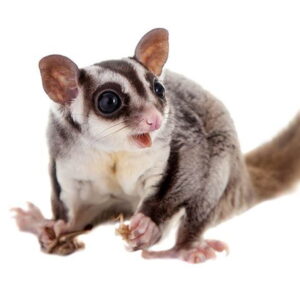 Common Health Issues
Sugar gliders are highly sensitive to stress and can even self-harm in stressful situations. Housing incompatible gliders together or providing too small a cage are two primary stressors for these delicate creatures. Like all marsupials and rodents, they are susceptible to bacterial and parasitic infections. Giardia, a common parasite, can cause dehydration, lethargy, and weight loss. Most infections come from improperly washed fruits and vegetables, so be sure to wash all foods before feeding them to your pets.
Sugar Gliders in the Wild
In the wild, they live in social family units called colonies. This social structure is very important to all gliders, as they thrive in the company of their kind.