Thai vs. Siamese Cats: Key Differences and How to Choose the Perfect Pet
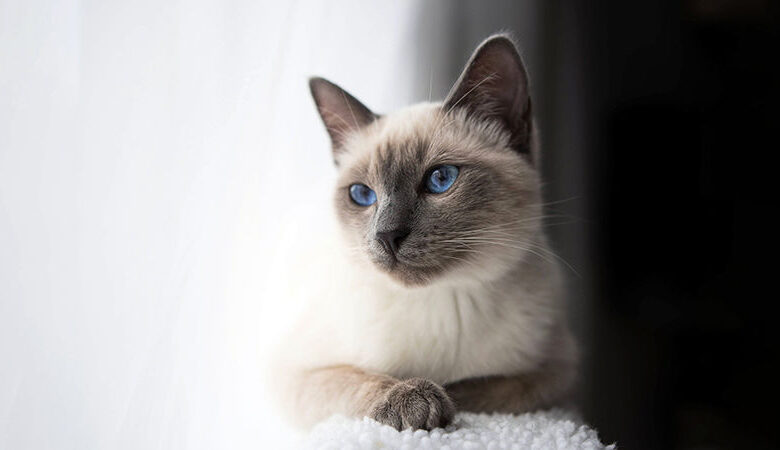
Among cat owners, it is a common misconception that these are two names for the same breed. Despite their similar appearance, these animals have significant differences, and each breed is officially defined by specific standards.
 Origin
The first mention of Old Siamese cats dates back to the 14th century in Thailand, which was then called Siam. A century later, locals began breeding Thai cats artificially, but the ancestors of the new breed nearly went extinct. Restoring the population was a challenging endeavor.
These animals held a special status: they were believed to protect homes from evil spirits. Siamese cats were kept in royal palaces and libraries to safeguard possessions from rodents.
For a long time, the two breeds were indistinguishable due to their similar coloring. However, each has unique physical traits. For instance, Thai cats were nicknamed “apple-headed” because their heads are rounder than those of Siamese cats.
In 1990, both breeds were officially recognized in Germany, with specific standards established for each.
Personality Traits
Siamese cats are highly vocal, with loud voices and a wide range of intonations. Their behavior is often compared to that of dogs. They form strong bonds with their owners, crave physical contact, and often choose one person as their favorite, staying close to them, sitting on their lap, or greeting them at the door.
Siamese cats are remarkably intelligent and are considered one of the smartest breeds. They can often be trained to follow commands due to their excellent learning ability. While a myth persists that they are aggressive, this is untrue. A Siamese cat may bite in self-defense, but generally, they are good-natured and affectionate.
Thai cats, on the other hand, are sociable and easily get along with other animals, including dogs. They enjoy spending time with children and are unlikely to bite. Thai cats have a mix of laziness and curiosity. While they prefer lounging most of the time, they also explore their surroundings actively. They can be trained to walk on a leash. However, they dislike being left alone for long periods, and prolonged isolation can negatively impact their mental well-being. If the owner is frequently away, it’s advisable to provide a companion for the Thai cat.
 Physical Characteristics
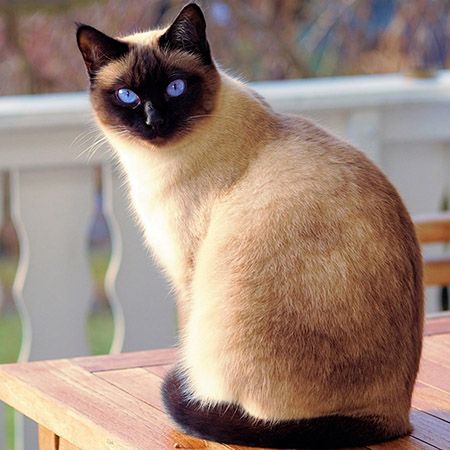
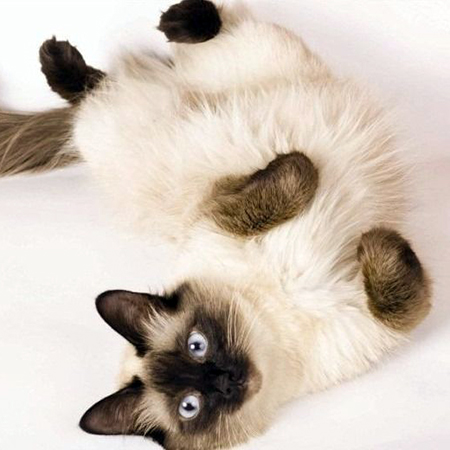
The two breeds are similar in coloration. Their coats are light or brown on the body, with dark markings on the face, ears, tail, and legs. Both breeds share striking sky-blue eyes.
However, their body structures differ:
- Old Siamese cats are slender and graceful, with long legs and a flexible, smooth tail. They lack an undercoat, making them hypoallergenic. Their skull is wedge-shaped, their ears are wide, their nose is elongated, and their eyes are almond-shaped and slightly slanted.
- Thai cats have a more robust build. Their legs are thicker and appear shorter, and their tails are bushier. Their bodies are sturdier and more muscular than Siamese cats. Their heads are rounded, with ears resembling those of a typical domestic cat, slightly curved inward.
Interestingly, the fur color of both breeds depends on temperature. “Warm” areas of the body produce less pigment than “cold” areas. This phenomenon is a sign of partial albinism, which is common in some cat breeds.
Care Requirements
Both breeds are short-haired, so maintaining their coat health and appearance is relatively easy. Brushing once a week is sufficient, as excessive brushing can damage the skin due to the lack of an undercoat.
A rubber grooming glove works best, as it is gentle on the skin, easy to clean, and effective in removing dead hair. Occasional massages can also improve blood circulation. Bathing is only necessary once every six months, using shampoo designed for short-haired cats. In between, wet wipes can help maintain coat cleanliness.
Special attention should be given to ear, nose, and eye hygiene. Clean the inner ear surface weekly with a cotton pad moistened with a specialized lotion to remove excess wax.
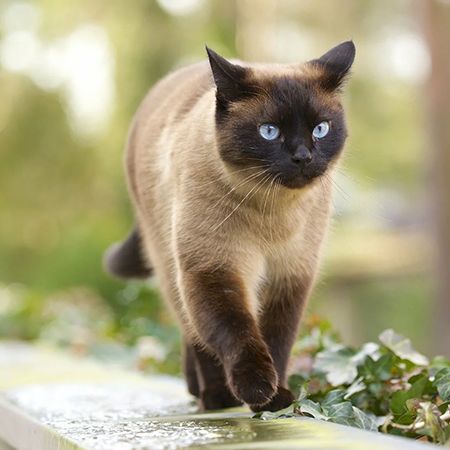 Thai Breed
Deworming should be done every four months, especially for outdoor cats. Additionally, a flea collar or drops are recommended for those who frequently go outside.
When planning a diet, remember that Thai cats are prone to gaining weight, especially after sterilization, when their lifestyle becomes more sedentary.
Choose dry food designed for weight control, with a higher proportion of animal protein over plant protein and reduced carbohydrate content. Avoid foods with excessive fish content, as these can lead to urinary tract issues.
Tips for Cat Owners
- If your cat has inflamed eyes, cleaning them with cooled tea may help. Consult a veterinarian if symptoms worsen to prevent infection.
- Thai kittens may scratch furniture. Train them to use a scratching post early on, or trim their nails carefully, ensuring not to cut into the sensitive part.
- Avoid exposing your cat to frequent stress. Prolonged stress can cause Siamese cats to lose fur.
Both breeds possess unique traits. Regardless of the breed, every cat needs proper care and attention to become a loving and loyal companion.